Canine Years Explained
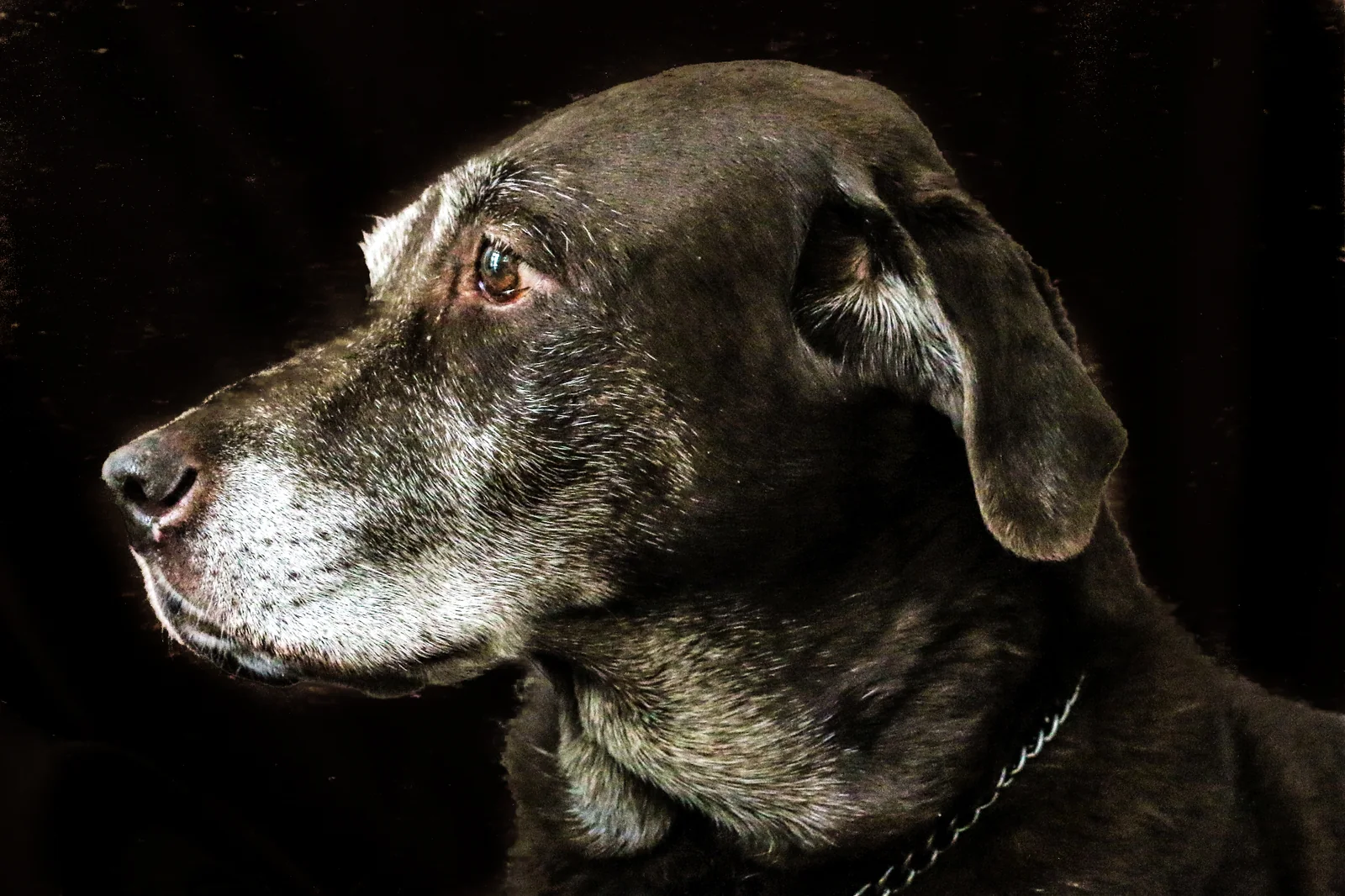
Close portrait of an older brown dog against a dark background

Canine aging

What does a longer life mean?

Clear answers about every stage of a dog's life, from aging research to the numbers on the products you use at home.

Read the question, the method and the limits alongside the result.

Begin with the research →
Featured review

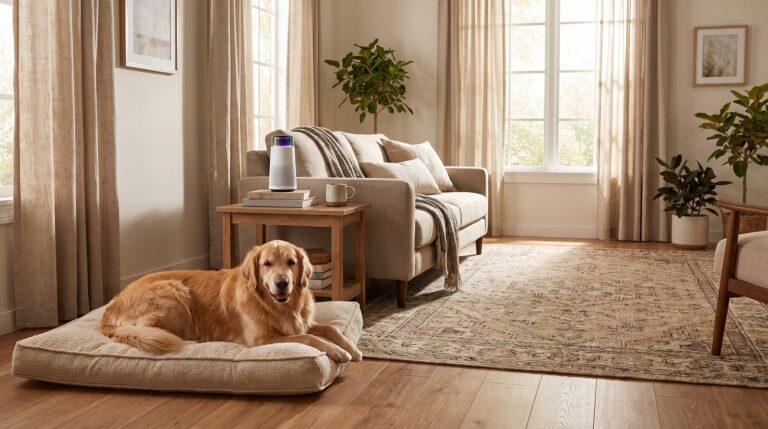
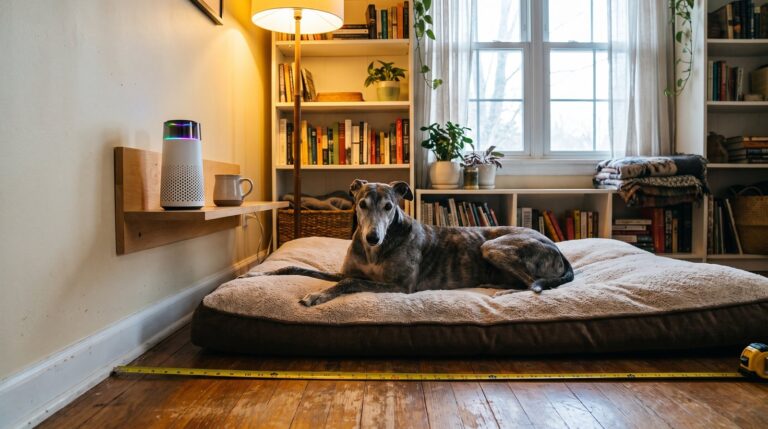
What Does 216 Square Feet Look Like? Reading the Puppy Kind Box in a Real Room

Up to 216 square feet on the box, from a purifier you can hold in one hand. Here's what that looks like in a...

Read the story
Brown short-coated dog asleep on a blanket-covered bed as afternoon sunlight falls across a quiet room
Photo: myjuly / Envato Elements

Recently updated

  1. Aging questions · Research explainer

    What do we mean by a longer, healthier dog life?

    Updated · 6 min read

  2. Home and care · The numbers

    What the Room Size on an Air Purifier Box Really Means: ACH, CADR and 8 Real Examples

    Updated · 5 min read

  3. Home and care · Room size

    What Does 216 Square Feet Look Like? Reading the Puppy Kind Box in a Real Room

    Updated · 6 min read

  4. Home and care · The spec card

    Puppy Kind Air Purifier: What I Found When I Checked the Size, Power, and Filter Layers

    Updated · 7 min read

  5. Aging questions · Comparative research essay

    Can another species answer a dog-aging question?

    Updated · 7 min read

  6. Reading the research · Annotated reading guide

    How to read a canine survival curve

    Updated · 6 min read

  7. Reading the research · Methods feature

    What a longevity trial needs to measure

    Updated · 8 min read

  8. Aging questions · Evidence explainer

    Biological-age clocks: questions behind the number

    Updated · 6 min read

  9. Reading the research · Study-design deep dive

    Reading the Dog Aging Project design: which dogs supplied the evidence?

    Updated · 8 min read

  10. Home and care · Senior years

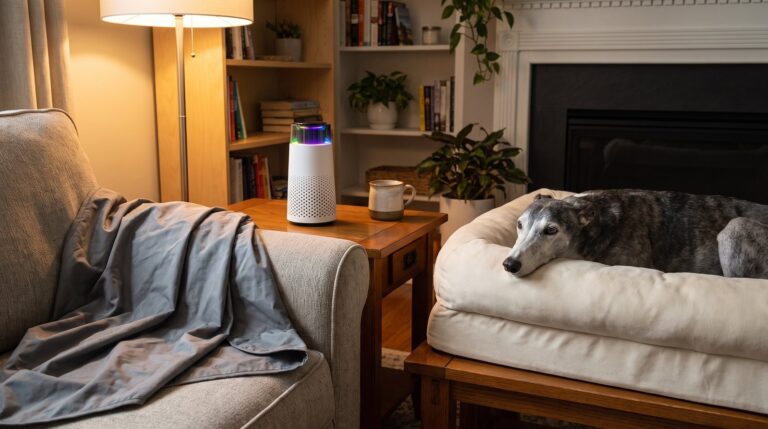
    Comfort for Older Dogs at Home: A Bolster Bed, Waterproof Layers and Fresh Air by the Bed

    Updated · 4 min read

A longer life is more than a single number.

Canine aging research asks different questions about time, health and everyday function. Understanding which question a study addresses is the first step toward understanding its result.

Older yellow Labrador with a pale muzzle resting its head on a wooden kitchen floor beside a plush toy
Years lived and years lived well are two different measurements.Photo: Chalabala / Envato Elements
Concept A

Lifespan

How long an animal lives. A measure of duration, with a starting point and an endpoint that need to be clear.

Concept B

Healthspan

The period of life spent in a defined state of health or function. The definition matters as much as the number.

These are reading concepts, not a prediction for an individual dog.

What was actually compared?

A headline leaves out much of a method. Return to the paper for the population, comparison and measure.

Explore the methods glossary
Questions to keep beside a paper
Look forAsk
PopulationWhich dogs were included, and which were not?
ComparisonWhat was the reference group or condition?
MeasureWhat outcome was recorded, and how?
UncertaintyWhat limits do the authors identify?
Veterinarian in blue gloves studying a canine radiograph held against a warmly lit viewing screen
Every result starts with a measure someone chose to record.Photo: Yakov_Oskanov / Envato Elements

Three passes through a paper.

  1. The question

    Identify the question before reading the conclusion.

  2. The evidence

    Match the result to what the method can establish.

  3. The boundary

    Keep unanswered questions in view when discussing the finding.

About the study shelf
Older woman reading a book on a sofa at home while a beagle rests against her lap in soft daylight
Slow reading is the method this shelf is built on.Photo: seventyfourimages / Envato Elements